Why Are My Seams Wobbly?
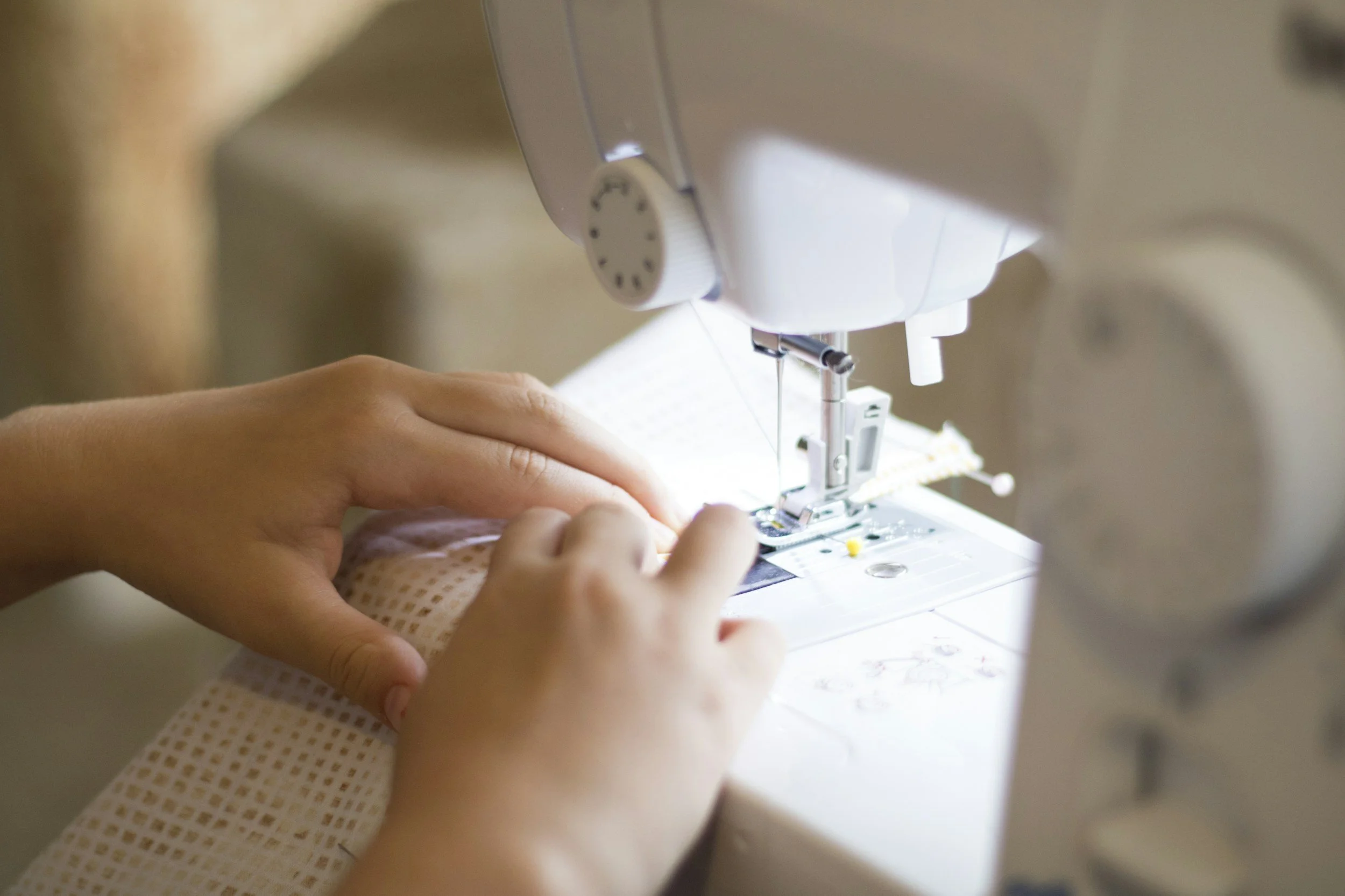
Tips for Straight, Accurate Quilt Seams
One of the most common frustrations for both new and experienced quilters is sewing a seam that looks more like a winding country road than a straight line. Wobbly seams can make blocks difficult to match, points disappear, and quilts end up smaller than expected.
The good news? Wobbly seams are usually caused by a few simple habits that are easy to correct.
Let the Feed Dogs Do the Work
One of the biggest causes of wobbly seams is pulling or pushing the fabric while sewing. Your sewing machine's feed dogs are designed to move the fabric evenly under the presser foot. If you tug on the fabric—even gently—you can stretch it and create uneven seams.
Try this: Guide the fabric with your hands, but don't force it. Think of your hands as steering the fabric rather than driving it.
Don't Watch the Needle
It sounds backwards, but watching the needle often causes your seam allowance to wander. The needle always stays in the same place, so your eyes should be focused on the edge of the fabric lining up with your seam guide instead.
Tip: Place a piece of painter's tape, a magnetic seam guide, or use the markings on your throat plate as a visual guide.
3. Maintain a Consistent ¼-Inch Seam
Quilting depends on accuracy. Even being off by 1/16 inch on every seam can add up over an entire quilt.
If your seams vary, your blocks won't fit together correctly. One common mistake, especially among newer quilters (though experienced quilters do it too!), is guiding the fabric right up to the needle. As the last inch of fabric passes under the presser foot, it can easily shift to the side, making your seam allowance narrower than the intended ¼ inch. As the fabric gets shorter behind the presser foot, there's less fabric for your hands to control, making it easier for the edge to drift away from the seam guide. Those small differences add up quickly, causing seams and points to miss their marks.
Tip: As the end of your fabric approaches the needle, keep your eyes on your seam guide and continue to gently support the fabric until it has completely passed under the presser foot. Avoid letting the fabric drift to the side during those final stitches.
Consider using:
A quarter-inch quilting foot
A seam guide
Practice scraps before beginning your project
Support the Weight of Your Quilt
As your quilt top grows, it becomes heavier. If part of the quilt hangs off the table, gravity pulls on the fabric while you're sewing. This can stretch the seam and cause it to wave.
Keep the quilt supported by:
Sewing on a large table
Using an extension table
Rolling or folding the quilt so the weight stays on the sewing surface
Your sewing machine should move the quilt—not the floor.
Slow Down
Many of us get excited to see our quilt come together and start sewing faster than we should. High speeds make it harder to guide fabric accurately.
A slightly slower pace gives you much better control and usually results in straighter seams.
Remember: Fast isn't always efficient if you have to rip out crooked stitches later.
Press - Don't Iron
Sliding a hot iron back and forth across your seams can stretch the fabric, especially on bias edges. This sounds easy but it is hard to keep from ironing vs pressing.
Instead:
Lift the iron.
Press down.
Lift again.
Move to the next section.
This keeps your fabric square and prevents distortion.
Start with Properly Cut Fabric
Even perfect sewing can't fix fabric that wasn't cut accurately.
Use a sharp rotary blade and a quilting ruler, and take a few extra seconds to ensure every strip and square is cut to the correct size.
Accuracy begins before the first stitch.
Check Your Machine
Sometimes the problem isn't you—it's your machine.
A dull needle can pull threads and distort fabric. Lint buildup can also affect how smoothly fabric feeds through the machine.
A quick maintenance routine can make a surprising difference:
Change your needle every 6–8 hours of sewing or at the start of a new project.
Clean lint from the bobbin area regularly.
Use quality thread.
Practice Makes Precision
Every quilter has sewn wobbly seams at some point. The difference is that experienced quilters have learned a few simple habits that keep their seams straight and consistent.
The next time you sit down at your sewing machine, focus on one improvement at a time. Watch your seam guide instead of the needle. Let the feed dogs move the fabric. Slow down just a little.
Before long, those wobbly seams will become smooth, straight stitching that makes piecing easier—and your finished quilts will show the difference.
Remember: Beautiful quilts aren't made by perfection. They're made one careful seam at a time.