How to Get Better ¼-Inch Seams
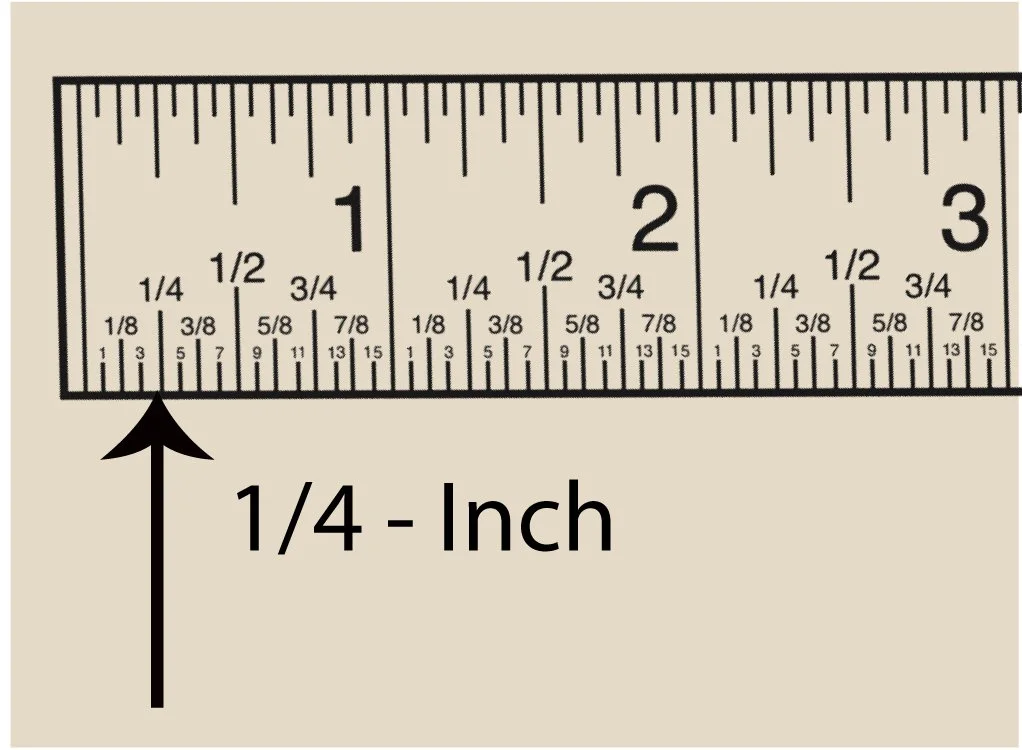
My seams are not always perfect, and that is okay. I make quilts because I enjoy making them, but I still try to do my best. One thing I have learned is that consistent ¼-inch seams make a big difference in how a quilt comes together and how it reduces my anxiety.
What we know:
• Most quilt patterns are designed using a ¼-inch seam allowance.
• Accurate seams help blocks fit together correctly and help seam intersections match.
• Sewing consistent ¼-inch seams can be challenging, especially for beginner quilters.
How to improve your ¼-inch seams:
Use a ¼-inch presser foot made for your sewing machine. Depending on your machine and foot, you may need to adjust your needle position. Always test and measure with a seam gauge or ruler to be sure your seam allowance is correct.
Practice before starting your project. Use two scrap pieces of fabric and sew a seam. Measure the finished seam allowance to make sure it is exactly ¼ inch before beginning your quilt.
Align seam intersections carefully. When joining blocks, line up the seams and place a pin at each seam intersection. Instead of placing the pin directly in the seam line, insert it slightly beside the seam—about 1/16 inch away. This helps keep the seams aligned while maintaining an accurate seam allowance. This is something I have been doing recently and it has helped a lot.
Nest your seams. This means pressing one seam to the left and the matching seam to the right. The seams will fit together like puzzle pieces and help reduce shifting while sewing.
Cut fabric accurately. Even perfect seams cannot fix fabric that was cut incorrectly. Accurate cutting is the foundation of accurate piecing. (See our tutorial on accurate cutting for more help.)
Press carefully. Press seams to one side or open according to your pattern instructions. Lift and lower your iron instead of sliding it back and forth, which can stretch or distort the fabric. Think of it as pressing rather than ironing.
Keep fabric aligned as you sew. Watch the edge of your fabric against the presser foot or seam guide instead of watching the needle. The guide helps maintain a consistent seam allowance.
Sew at a comfortable speed. Sewing too quickly can cause fabric to shift and make it harder to maintain an even seam. Slow and steady often produces better results.
You may see a pattern that says to sew a "scant ¼-inch seam." A scant ¼-inch seam is just slightly smaller than a regular ¼ inch—about one or two thread widths less. This is often used when sewing blocks with many seams so the finished block does not end up too small. Follow the pattern instructions.
Helpful tools are available. Painters tape, washi tape, magnetic seam guides, and other sewing notions can help you keep a consistent seam allowance.
Getting a perfect ¼-inch seam is one of the most important—and sometimes one of the most challenging—parts of quilting. The more you practice, the more comfortable and accurate you will become.
Do not give up. Every quilter improves one seam at a time.
Quick Tip: If your block finishes too small, check your seam allowance before recutting fabric. A slightly larger seam allowance is often the cause.